10 Situations Where You Should Use Manual Focus
 Autofocus (AF) is now a standard feature in digital cameras, with some even boasting the world's fastest AF. However, this technology has only been around for about half a century—before that, all focusing was done manually (MF). While AF is highly convenient, it isn't flawless. Photographer Alistair Scott suggests that there are 10 specific situations where manual focus is the better choic
1. Insufficient Light
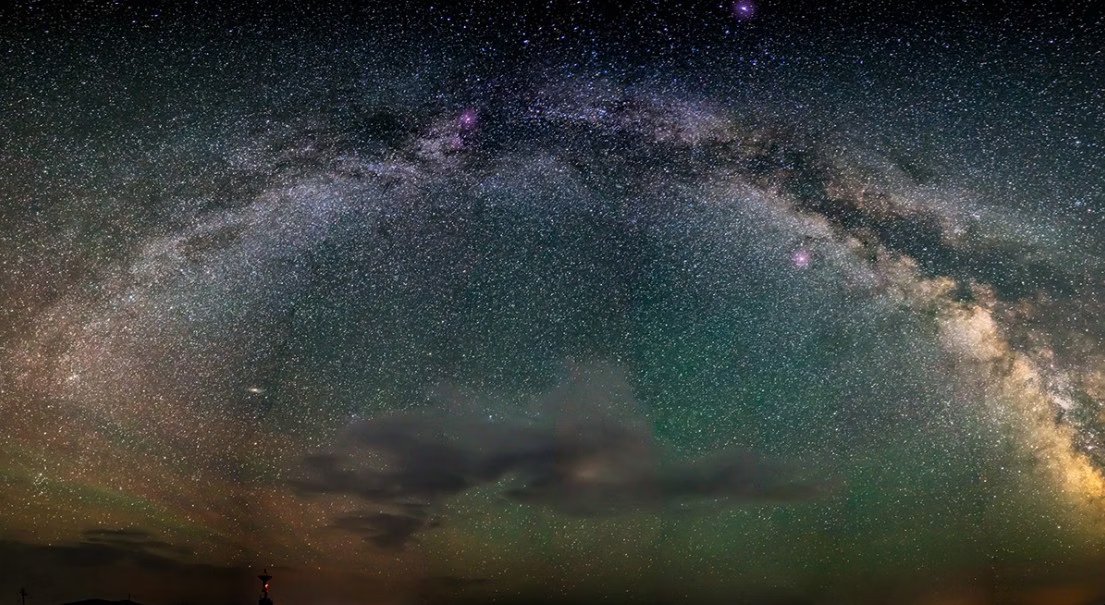
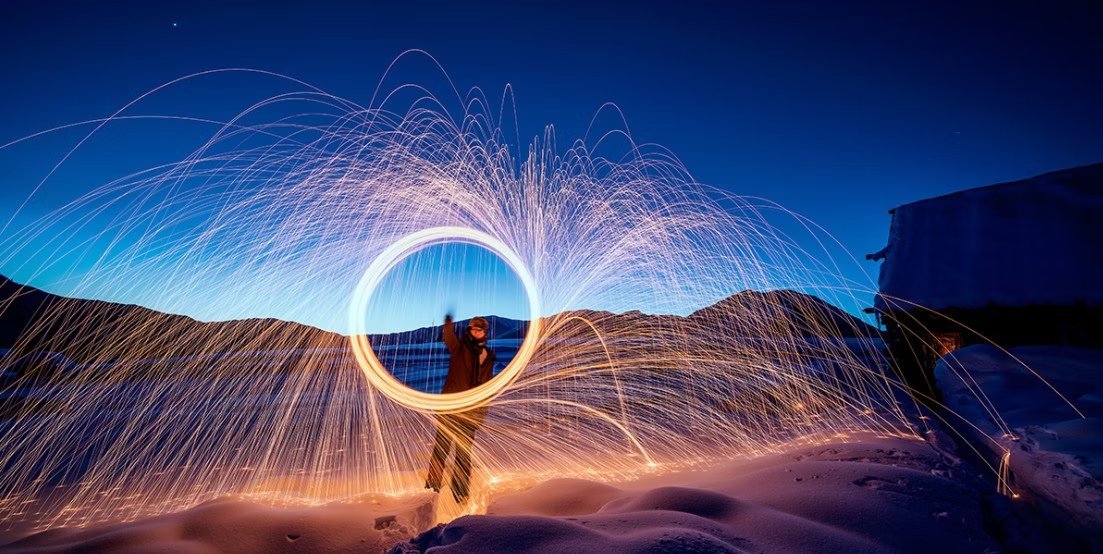
Autofocus relies on light or sufficient contrast to function properly. In low-light conditions, contrast decreases, making it difficult for autofocus to work. Even with an AF assist light, it may not be effective in situations like the one shown in the image. The image may appear well-lit, but it was actually taken with a 30-second exposure.
 2. Insufficient Contrast
Even in well-lit conditions, autofocus may fail if you're shooting a plain-colored wall or a similarly low-contrast subject. In such cases, you may need to shift the lens to focus on something else, half-press the shutter to lock focus, then recompose and take the shot. Alternatively, manual focus can be used.
3. Wildlife Photography
Many wild animals have highly sensitive ears, and the sound of autofocus "beeping" is often enough to scare them away. Moreover, in many outdoor environments, there may be too many distractions like trees, requiring several attempts to get a successful focus. It's no surprise if the animal runs away after hearing the repeated beeping.
4. Landscape Photography
When photographing landscapes, many people aim to capture a sharp image across the entire scene, often using a smaller aperture to create a deeper depth of field. The "hyperfocal distance" is a particularly effective method for this, but if autofocus is used, it may alter the focus. For more information on "hyperfocal distance," please refer here.
 5. Creating HDR
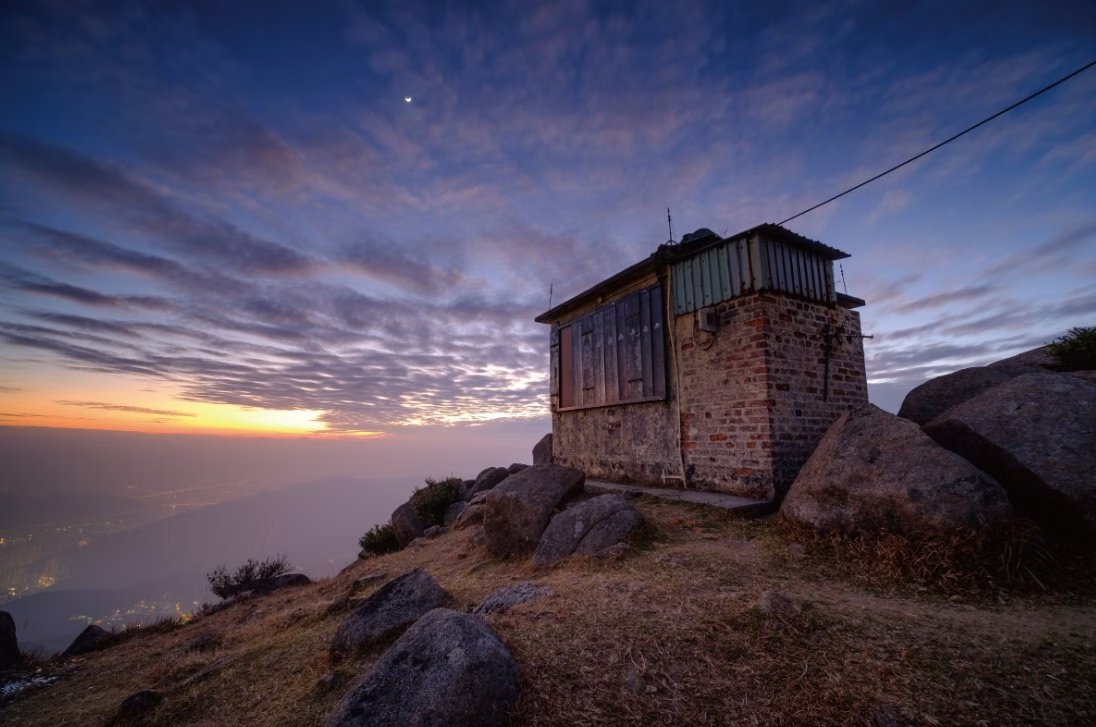
When creating an HDR image, you are essentially combining several photos that are identical except for their exposure settings. If autofocus is used, the focus point may vary between each shot, which can lead to a failed HDR attempt.
6. Fast Motion
When photographing fast-moving subjects, autofocus attempts to track the changing distance of the subject. However, in most cases, it fails to keep up effectively.
 7. Shooting Through Glass
In most cases, shooting through glass should be avoided. However, situations like flying on a plane or visiting an aquarium may require it. In such cases, switching to manual focus is a good idea to prevent the focus from locking on smudges or reflections on the glass.
8. Portrait Photography
In portrait photography, the most important focus is often on the eyes. However, when using a wide aperture for a shallow depth of field, if the autofocus locks onto the eyelashes or the tip of the nose instead of the eyes, the eyes will become blurred, losing the sharpness and expression that are key to the portrait.
 9. Macro Photography
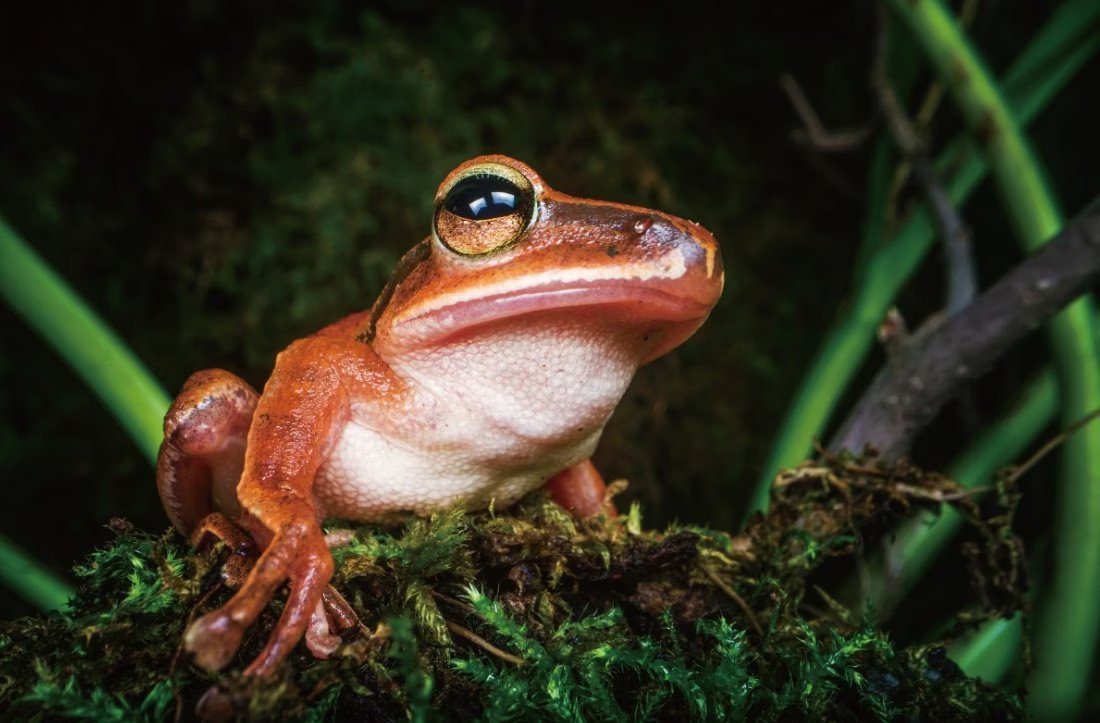
Due to the very shallow depth of field in macro photography, autofocus becomes difficult for the camera and may even be unpredictable. Manual focus allows you to have better control over the image and ensures more accurate focusing.
 10. Rule of Thirds Composition
Many cameras are preset to focus in the center, which can make it difficult to achieve accurate focus when following the rule of thirds composition. This is something to keep in mind.
That said, autofocus is indeed very convenient, but it’s also important to learn manual focus. In the right situations, it allows you to control the image more effectively. It’s said that, with practice, manual focus can even be faster than autofocus.
Reposted from "Reasons to Turn off Your Autofocus" (Via Photoblog) by Alistair Scott
圖片寫真